
Reviews
Description
Game Introduction
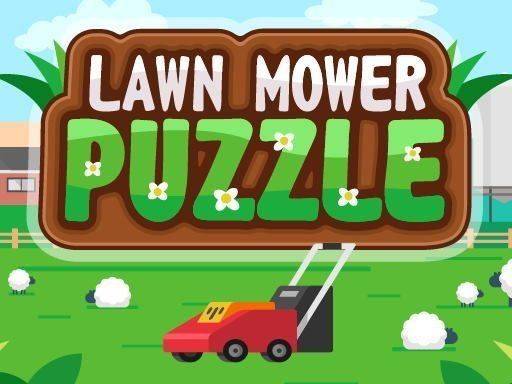
Garden Path Logic Puzzle is a relaxing brain teaser that transforms a simple yard task into a satisfying logic challenge. The core objective is to guide a mower across a grid of grass squares, trimming every single one. The challenge lies in planning a continuous path that covers the entire lawn without revisiting any square. Each level presents a unique layout, requiring careful thought and foresight. The game is designed to be both calming and mentally stimulating, with bright, cheerful graphics that create a safe and pleasant environment for players of all ages. It is a perfect choice for those who enjoy logic puzzles and strategy games.
How to Play
Players typically start by selecting the mower, then draw a path across the grass using a simple drag motion. The mower follows the drawn line, trimming the grass as it moves. The key rule is that you cannot cross over a square that has already been mowed. This means you must plan your route from the start to avoid getting stuck. If a mistake is made, the level can be restarted. As you progress, lawns become larger and more complex, testing your ability to think ahead and solve spatial puzzles.
Game Features
The game offers clean and family-friendly graphics that are easy on the eyes. Puzzles become increasingly challenging, providing a good progression of difficulty. Controls are simple drag-and-play, making the game accessible on both desktop and mobile devices. The gameplay is relaxing and satisfying, with a clear goal and a sense of accomplishment after completing each level.
Tips for Success
To succeed, start by scanning the entire lawn layout before drawing any path. Look for patterns or tricky areas that might trap you. It often helps to work backward from the final square, imagining the last moves first. Practice regularly to improve your spatial reasoning and planning skills. If you get stuck, take a short break and return with fresh eyes—sometimes the solution becomes clear after a moment of rest.



Player Comments
Sign in to comment
You must be logged in before posting a review or rating.
No account? Create one
No comments yet. Be the first to comment!