
Reviews
Description
Core Puzzle Mechanics
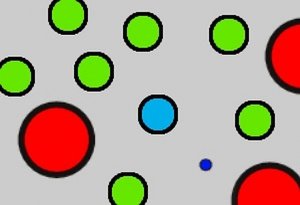
At its heart, Stellar Chrono Quest challenges players to arrange celestial objects and navigate spatial obstacles using logic. Each puzzle presents a unique configuration of stars, asteroids, and ancient relics that must be aligned or collected to progress. The game introduces new puzzle elements gradually, allowing players to build their skills without feeling overwhelmed. Hints are available for those who need a gentle nudge, ensuring the experience remains encouraging rather than frustrating.
Galaxy Exploration & Progression
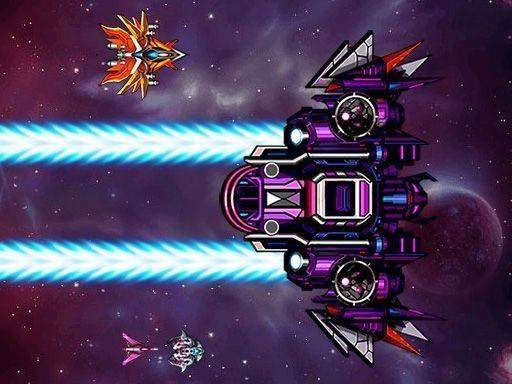
Players command a small fleet that travels through distinct cosmic regions, each with its own visual theme and puzzle style. From nebula-filled sectors to asteroid-dense zones, the environments are designed to be visually engaging without being distracting. As players complete puzzles and gather energy stars, they unlock portals to new galaxies. The progression system is linear but offers optional side puzzles for those seeking extra challenges.
Visual Design & Atmosphere
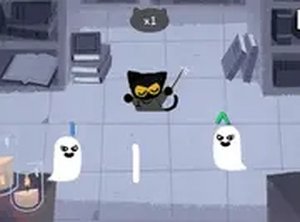
The art style uses bright, saturated colors and rounded shapes to create a welcoming, non-threatening universe. Alien species are depicted as friendly and curious, never aggressive. The backgrounds feature gentle animations like drifting stars and swirling nebulae, which contribute to a calm, focused gameplay mood. The interface is clean and intuitive, with large buttons and clear icons that make navigation easy for younger players.
Family-Friendly Design Choices
Stellar Chrono Quest was built with a broad audience in mind. There are no timers, no failure states that reset progress, and no competitive elements. Players can take as long as they need on each puzzle. The game also includes a cooperative mode where two players can work together on the same device, making it a good choice for siblings or parent-child play sessions. All content is appropriate for children aged six and up.
Learning Through Play
While primarily a source of entertainment, the game subtly encourages logical reasoning, pattern recognition, and spatial awareness. Puzzles often require players to think ahead and consider the consequences of their moves. The time travel theme is used as a narrative device to explain why certain objects appear in different eras, but the focus remains on the puzzle-solving rather than complex storytelling. This makes the game accessible to players who prefer straightforward challenges over elaborate plots.

Player Comments
Sign in to comment
You must be logged in before posting a review or rating.
No account? Create one
No comments yet. Be the first to comment!